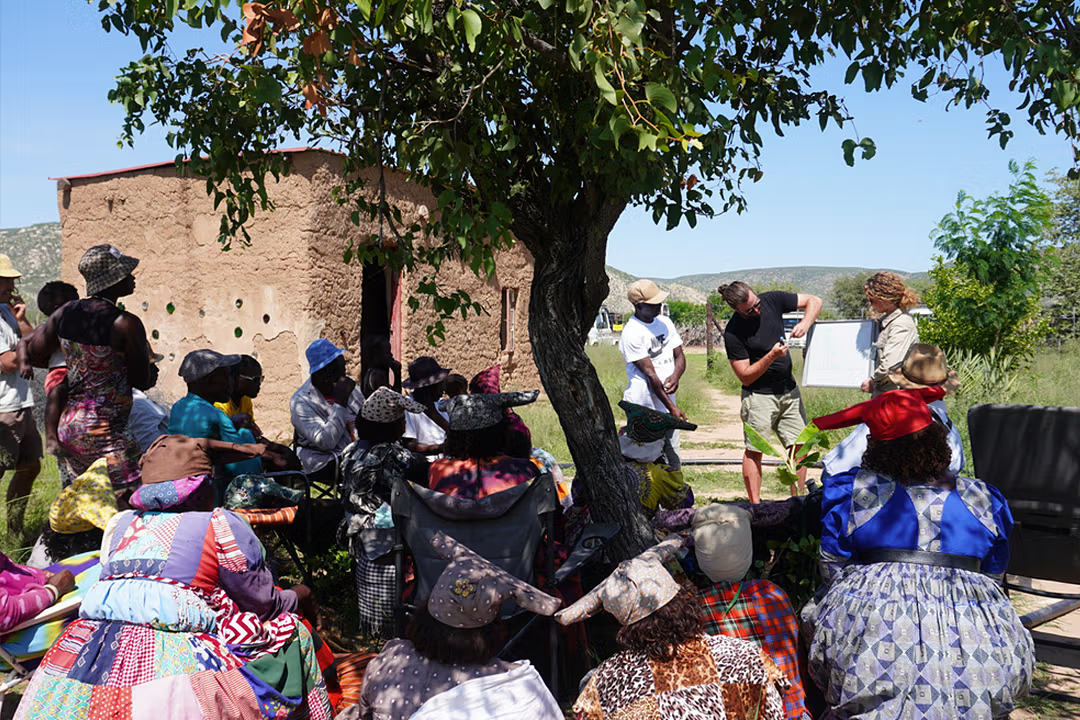
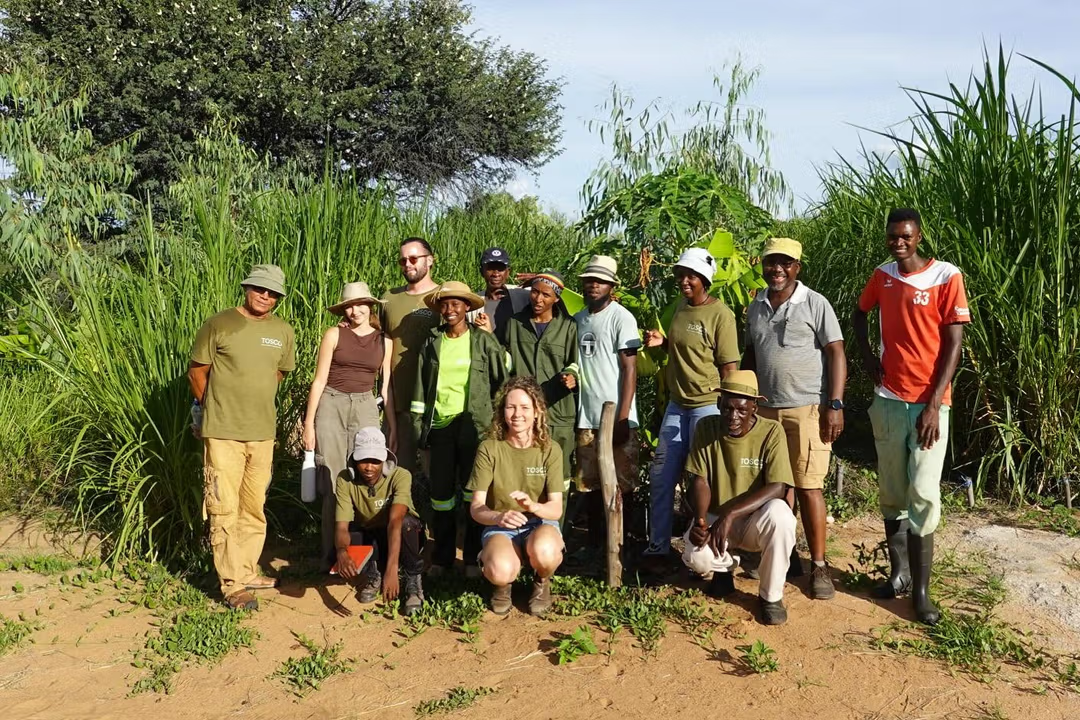
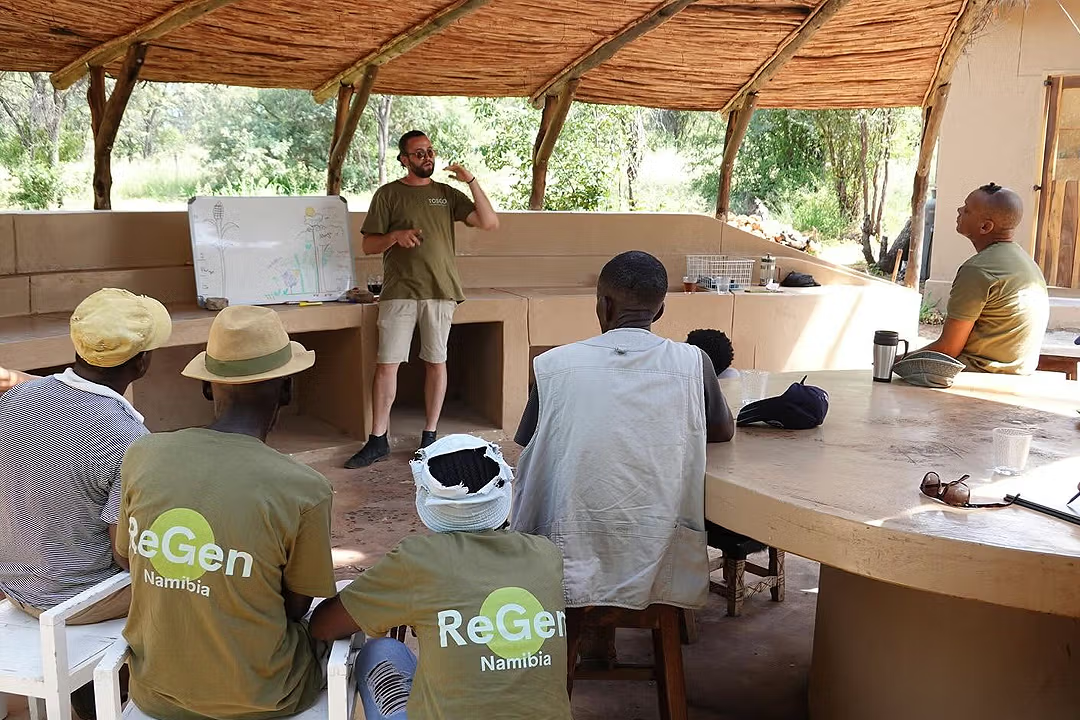
ReGen is a new initiative that brings together tourism businesses, conservation organisations and communities with one shared goal: to help make Namibia’s landscapes, wildlife and communities stronger and more resilient for the future.
And if there’s one thing we know, it’s that tourism in Namibia relies on all three.
Our guests come here for the wide-open landscapes, the incredible wildlife and the people who make this country what it is. Protecting those things is not just good for conservation. It is essential for the future of tourism too.
ReGen Namibia was created by TOSCO as a way for the tourism industry to invest directly in the places and communities it depends on.
The idea is refreshingly simple. Instead of asking only how tourism can reduce its carbon footprint, ReGen asks:
What do Namibia’s landscapes, wildlife and communities actually need to become more resilient?
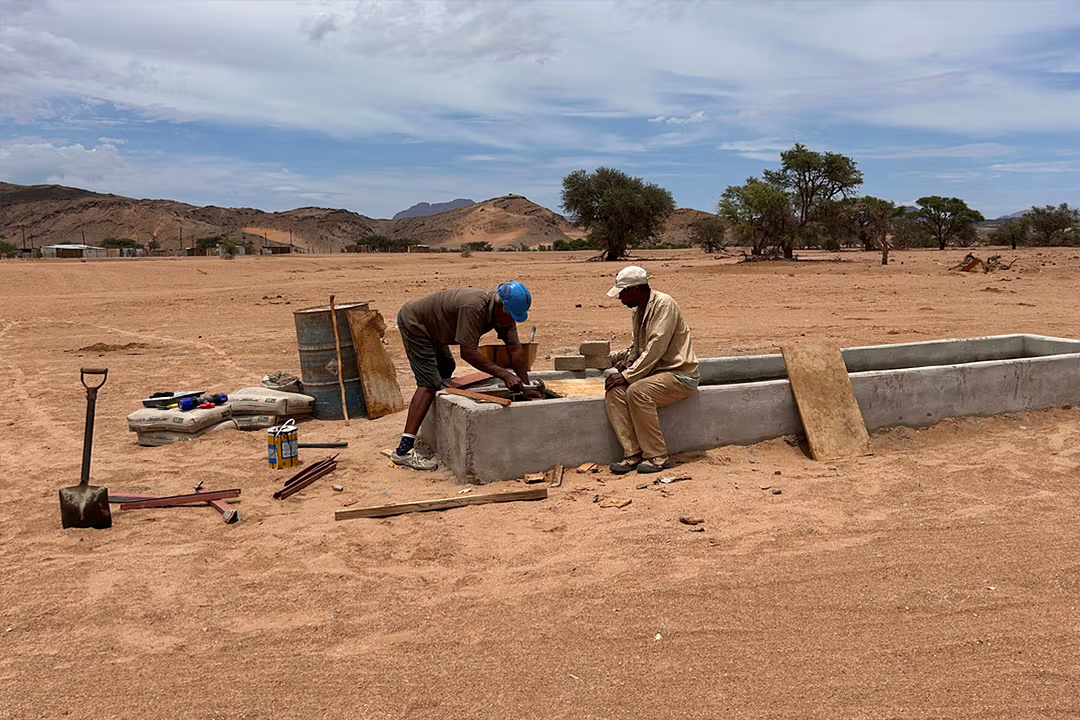
That might mean better access to water. It might mean helping communities grow their own food, protecting crops from elephants, restoring degraded land or helping local producers find new markets.
Namibia contributes very little to global greenhouse gas emissions but is particularly vulnerable to climate change.
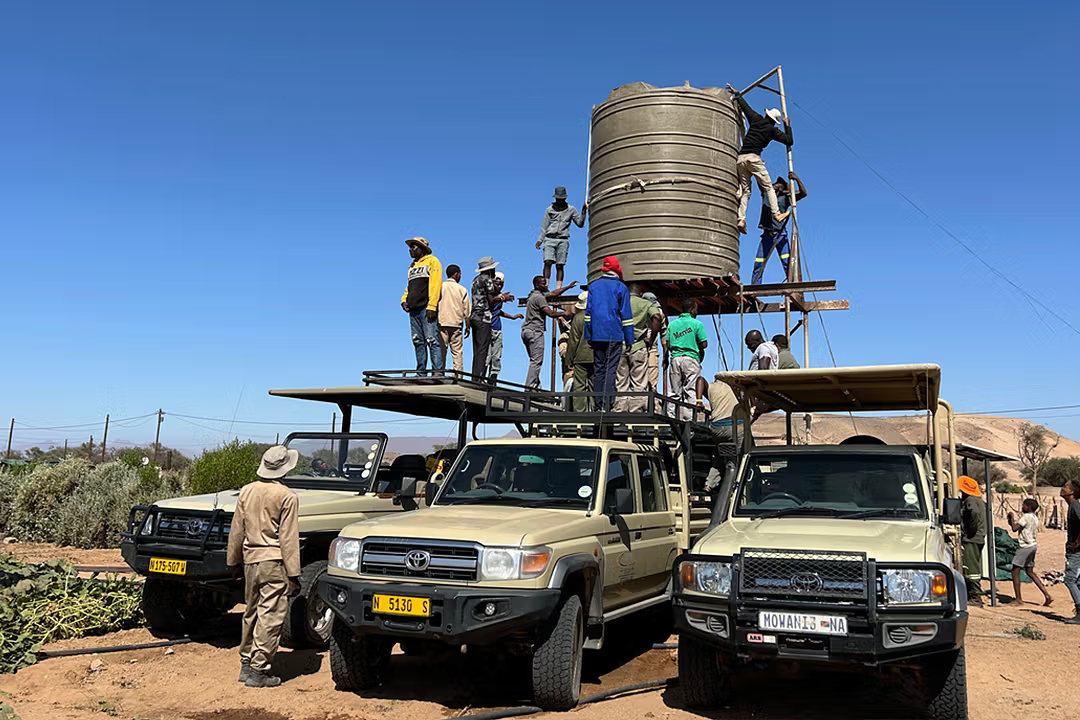
We already live in one of the driest countries in the world, so changes in rainfall, longer droughts and increasing water shortages can have a huge effect on people, wildlife and the environment. For rural communities especially, something as simple as reliable access to water or a productive vegetable garden can make an enormous difference. That’s why the first phase of ReGen focuses on community resilience and food security.
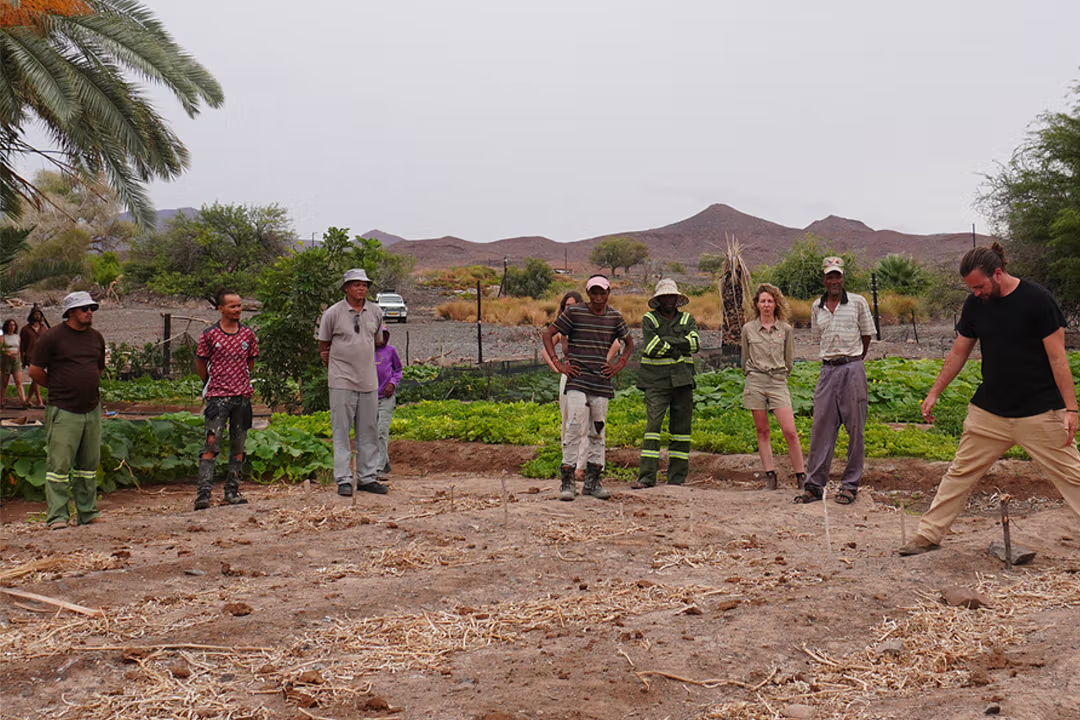
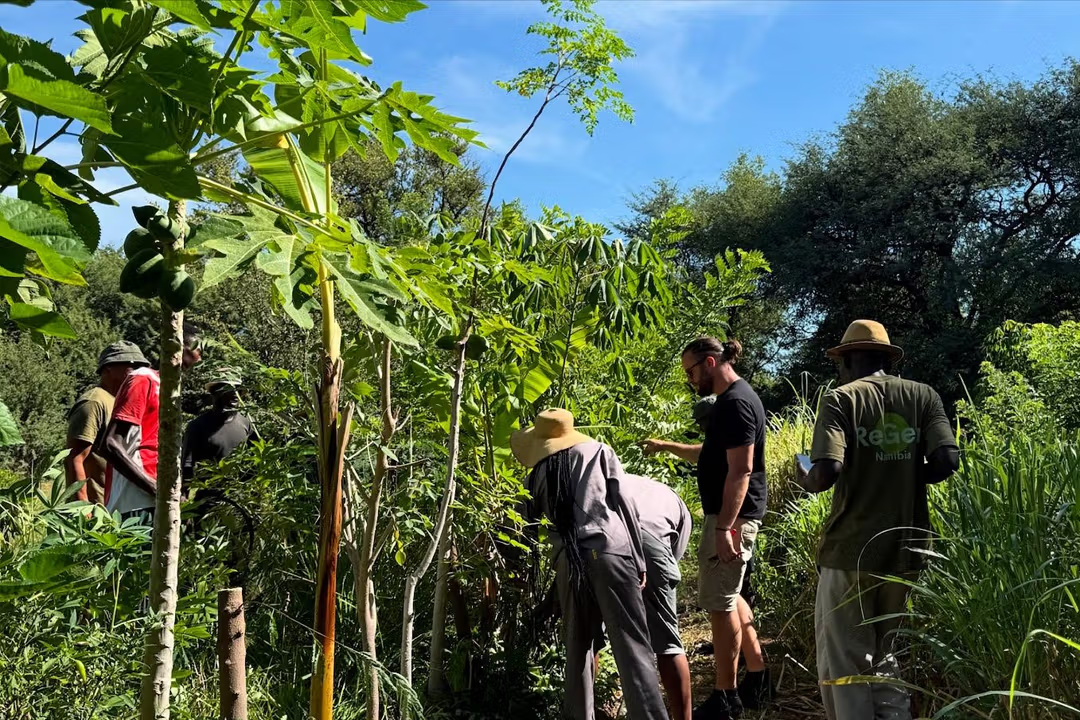
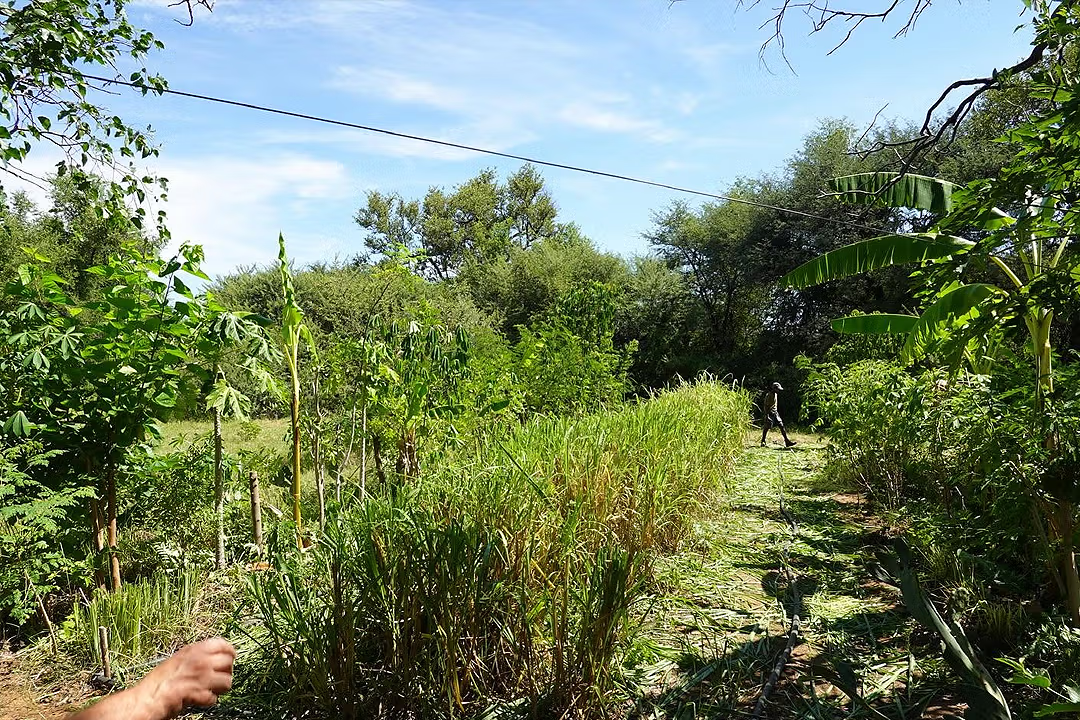
One of ReGen’s first areas of focus is agroforestry. That sounds rather technical, but the idea is quite straightforward: combining trees with food production to create gardens that are healthier, more productive and better able to cope with difficult conditions.
Trees can help improve soil, provide shade, retain moisture and support biodiversity, while the gardens themselves provide communities with fresh food and potential income. ReGen is already working with pilot projects at De Riet, Fonteine and Ekoto, as well as an agroforestry initiative at Wolwedans’ Rural Revive. And because you can’t grow much without water, water security is a big part of the programme too.
Different communities have different needs, so ReGen will test practical options including water storage, solar-powered pumping and efficient irrigation systems.
Living alongside wildlife is one of the things that makes Namibia special, but it can also bring challenges. An elephant wandering through a vegetable garden is obviously not ideal for the vegetables. Through its work with organisations such as Elephant-Human Relations Aid, ReGen will explore ways to protect gardens and livelihoods without harming wildlife. These solutions could include fencing, dedicated water points for elephants and even natural deterrents such as chilli. The goal is coexistence: helping people and wildlife share the same landscapes as successfully as possible.
The bigger picture goes beyond food security. Once gardens are producing enough for the communities themselves, there may also be opportunities to supply nearby lodges with fresh produce. That creates a lovely circular relationship. Tourism helps support the gardens, the gardens provide fresh local produce and income, and the benefits of tourism stay closer to the communities in which it operates. Over time, ReGen hopes to explore other nature-based opportunities too, including indigenous products, landscape restoration and reforestation.
Namibia Tours & Safaris has been sharing Namibia with travellers for more than 30 years.
We know just how lucky we are to work in a country like this, and we also know that the landscapes, wildlife and communities our guests come to experience shouldn’t simply be taken for granted. So when the opportunity came along to become one of ReGen Namibia’s Founding Contributors, it felt like a very natural fit for us.
Our contribution will help support the programme during its important first phase, while also helping ReGen develop a model that could eventually allow more tourism businesses to contribute in a meaningful and sustainable way. And that’s one of the things we like most about ReGen. This isn’t meant to be a once-off donation or a feel-good project that disappears after a year or two.
The long-term aim is to create a system where tourism continuously gives something back to the landscapes and communities that make it possible in the first place.
For us, responsible tourism has never been about ticking boxes. It’s about making sure the places we love sharing with our guests are still thriving many years from now. ReGen Namibia is still in its early stages, and there will be plenty of learning along the way. But that’s part of what makes it exciting. It brings tourism businesses, communities and conservation partners together to test real solutions, learn what works and build something with lasting value.
We’re very proud to be one of the businesses helping it get started.
Because when Namibia’s communities are stronger, its landscapes healthier and its wildlife better protected, everyone benefits - including the travellers who come from all over the world to experience this remarkable country.
"A dream come true"
We had the most amazing family holiday, everything worked so perfectly, the arrangements and accommodation was spectacular!
"Unforgettable trip to Namibia – Thank you Namibia Tours & Safaris!"
We are a group of four from Romania and spent 3 unforgettable weeks in Namibia. We can't recommend them enough, and for any future travels in Namibia or other parts of Africa, we will definitely use their services again.
"We had a great experience"
From the time we put the key in the ignition till we boarded the plane in Windhoek nothing went wrong.
"Unforgettable bird photography trip in Namibia"
It was a fantastic experience, everything was very well organised, went smooth and according to expectations. It was our first self drive in Africa and it was a great, unforgettable time.