

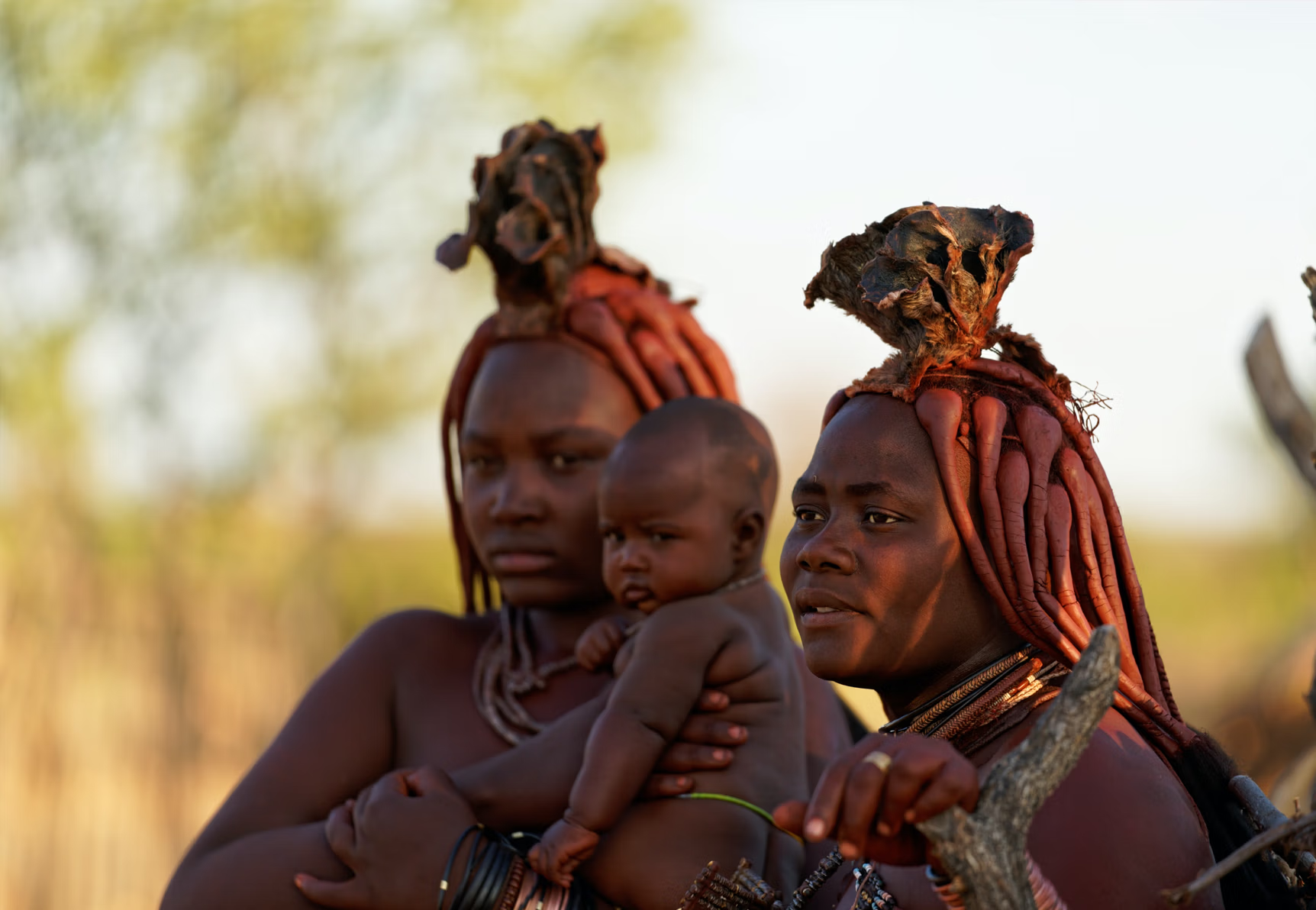
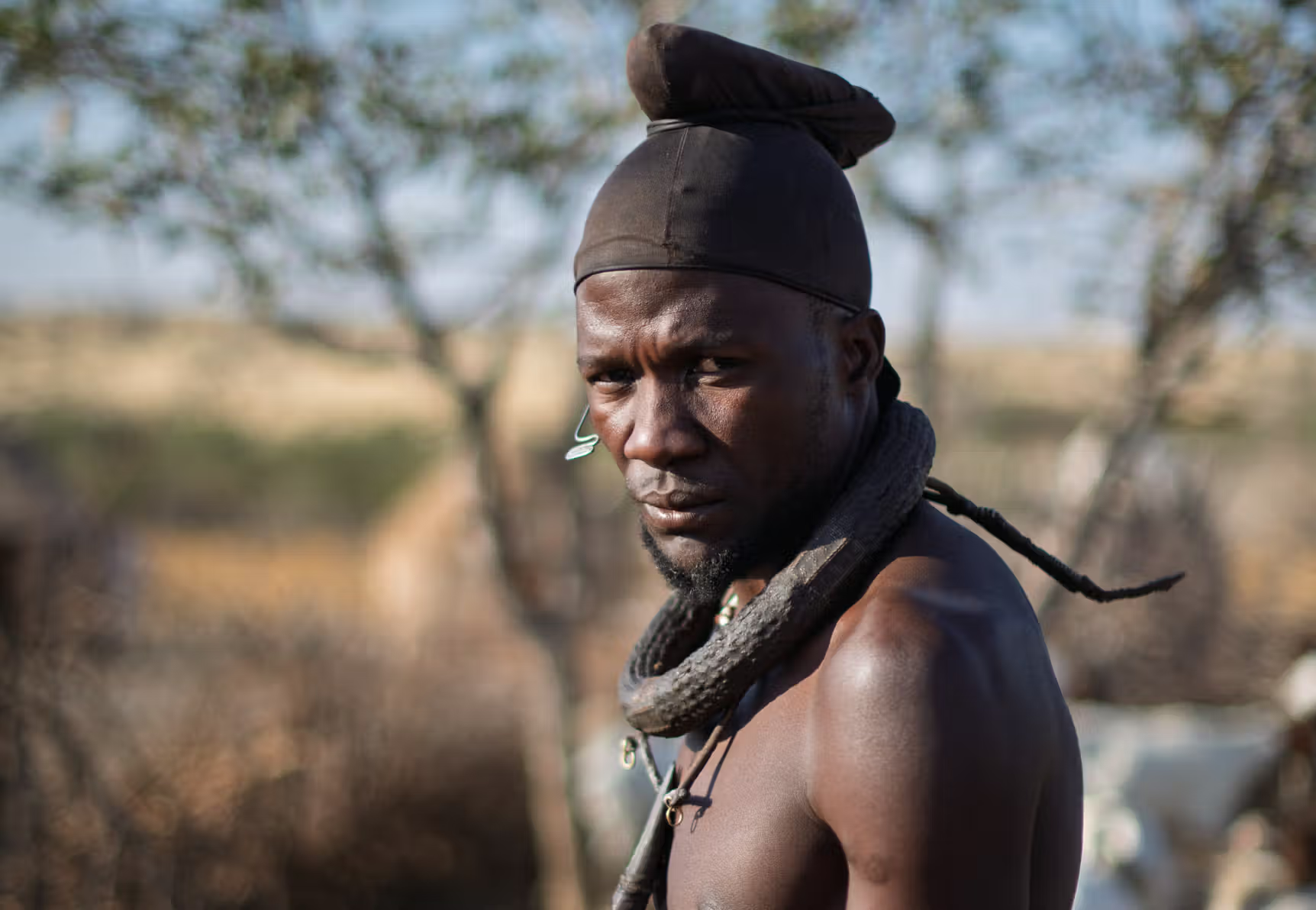
We’ll need to rewind to the 16th Century to trace the roots of the Himba people. That’s when a Bantu group – the Herero – arrived in Namibia. They came under attack from the Nama in the mid-19th Century, who stole their cattle and forced them to flee across the border into Angola. Here they stayed until the 1920s when a Himba warrior named Vita led his people back to their original homeland in Kaokoland (now called Kunene) where they reclaimed cattle and resumed their desert-based nomadic lifestyle.
For the last century, northern Namibia is where the Himba have remained, living as traditional pastoralists in a style that’s free from the influences of modern technology and many of the comforts of contemporary ways of living.

There are currently 20,000 Himba living in small villages in isolated areas of the Kunene region of northwestern Namibia. It’s an area of the country with an arid climate and a rainy season that typically extends from November to May. That said, it’s a region that’s susceptible to droughts, some of which can last for years.
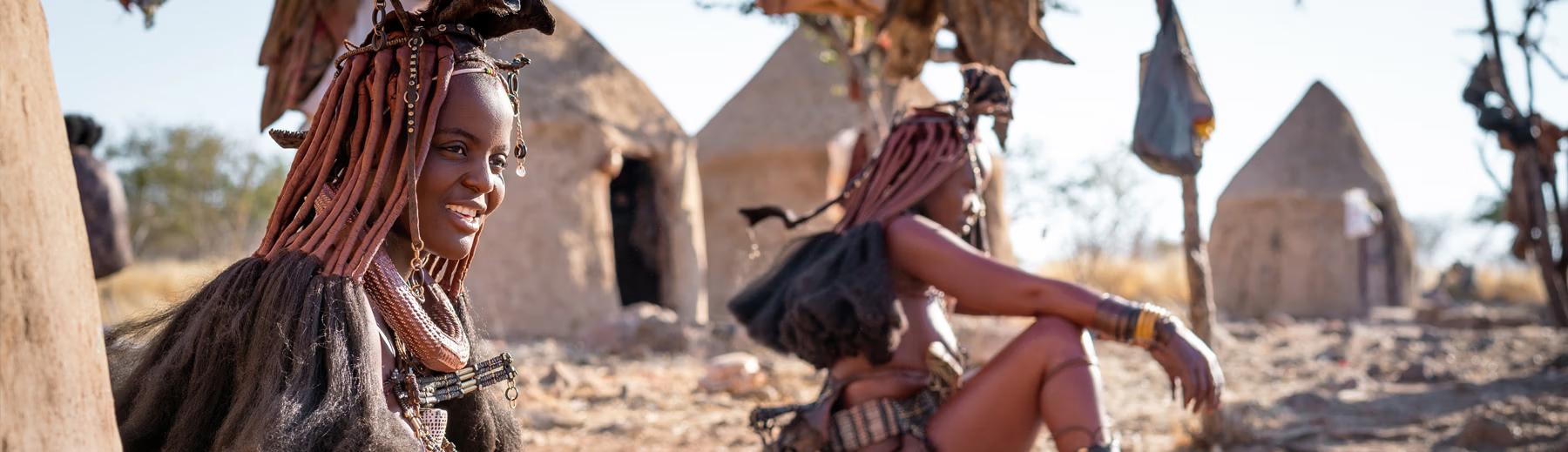
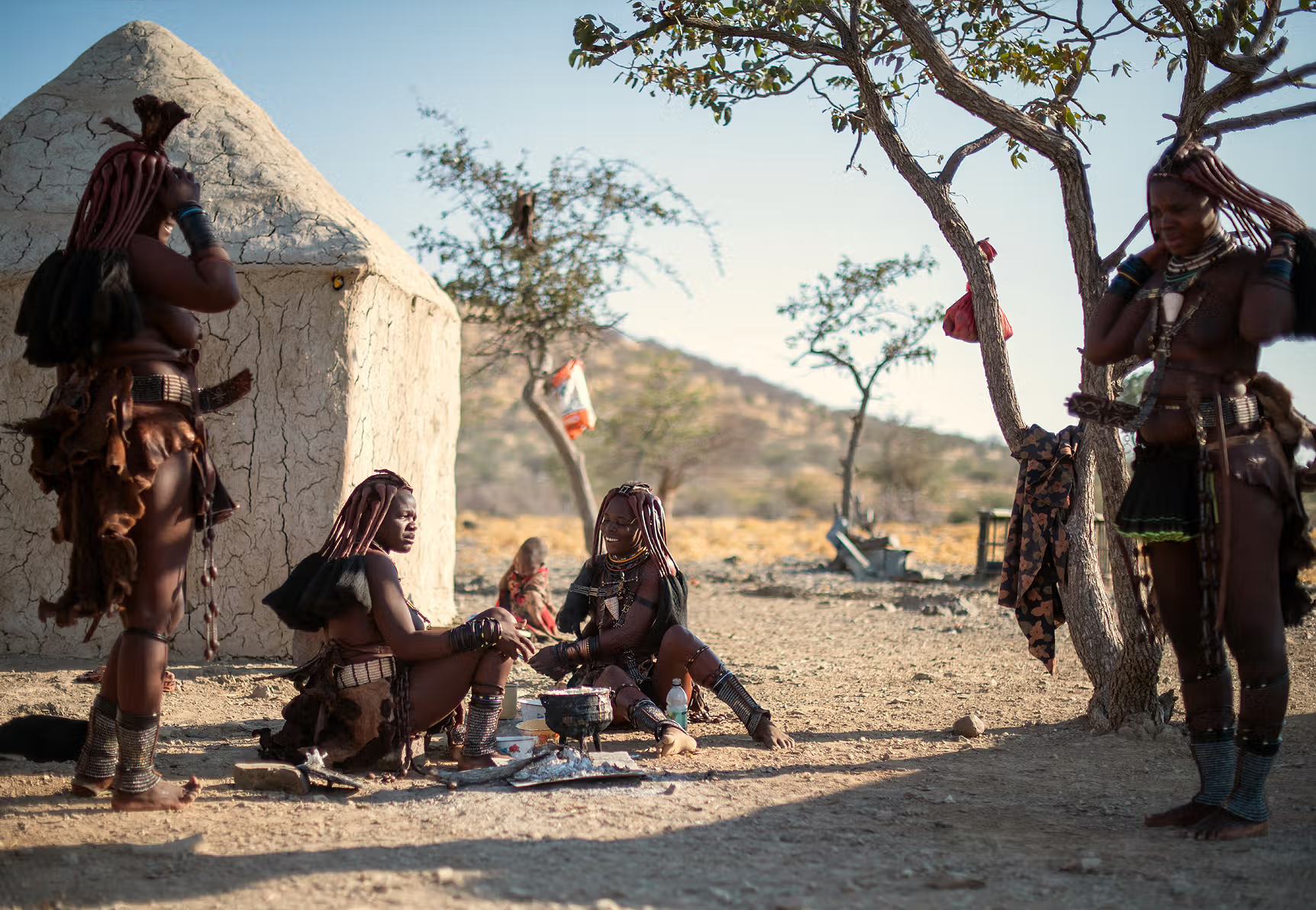
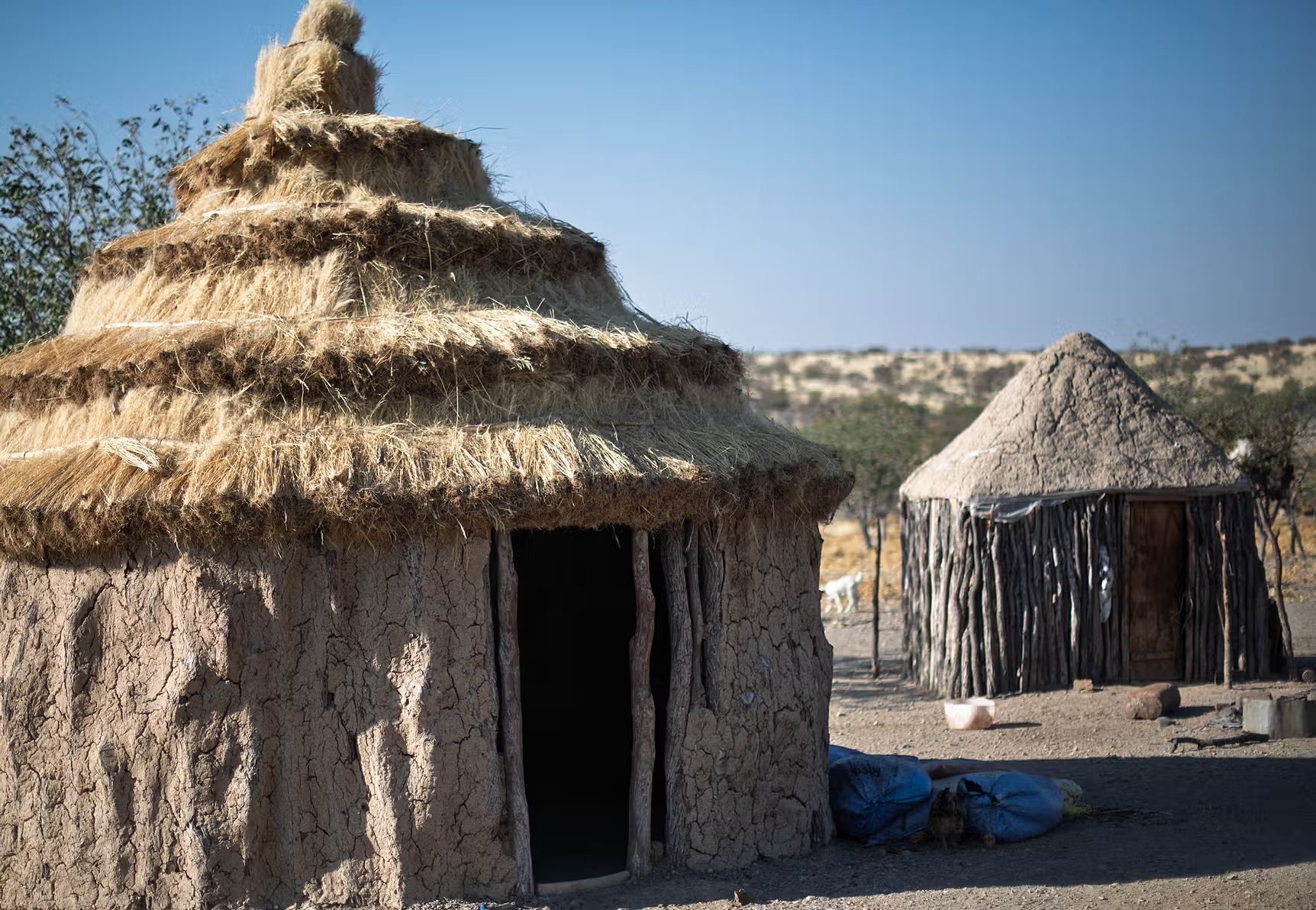
Because they are a nomadic people, the locations of Himba villages change. But wherever they choose to call home will see them live in thatched roof huts built from sapling branches covered with cow dung and mud. Each has a fire making area in its centre.
A Himba village is arranged with a kraal at its heart – an area where goats and cattle can be kept safe overnight. Everyone in the community has a specific responsibility within the village. The young men, for example, take the animals out into the surrounding landscape to feed during the day. Women usually gather herbs and other edible foods for the villagers to eat.
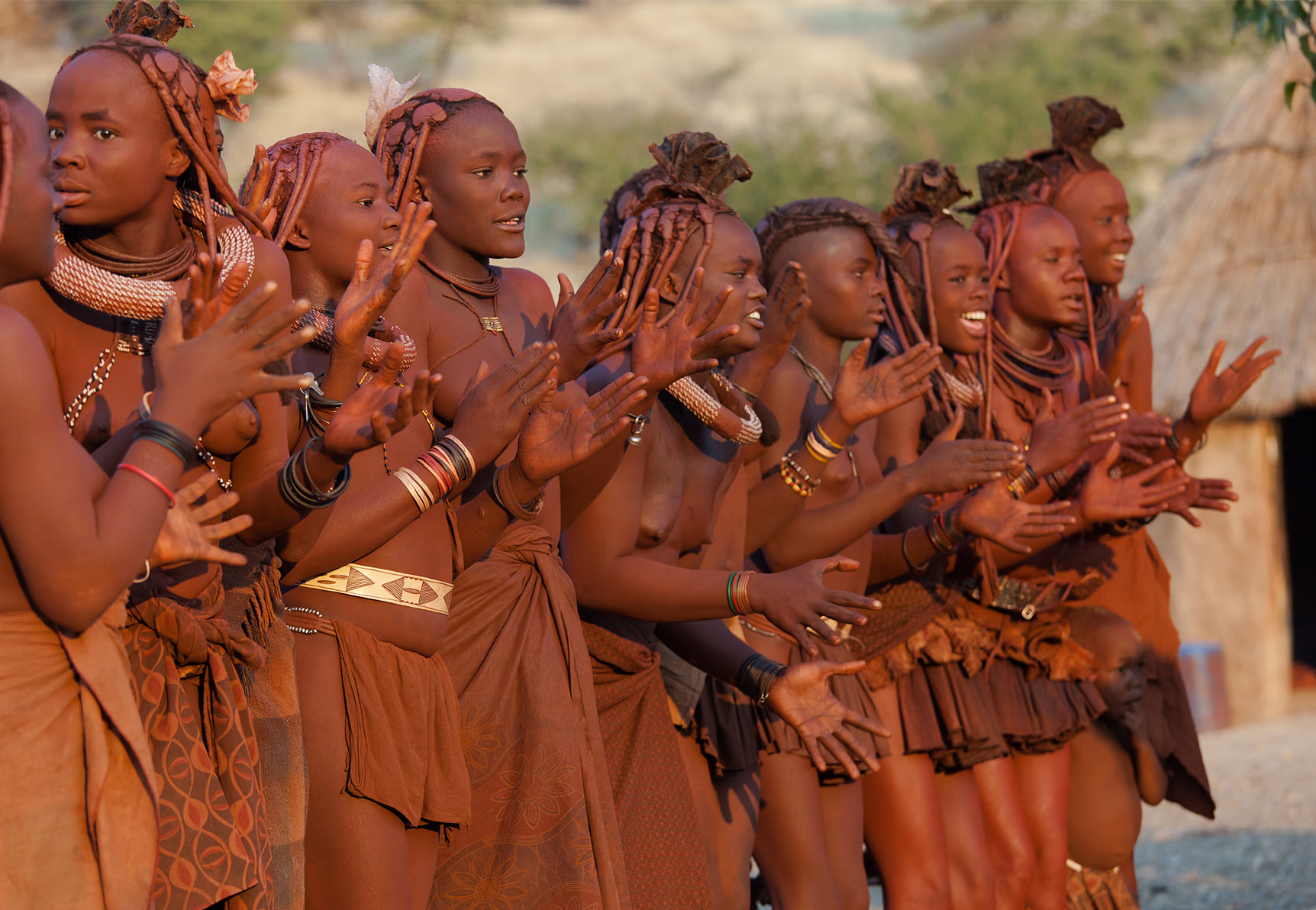
The Himba are one of a few remaining tribes who still follow a traditional way of life established by their ancestors. They are believed to be the last semi-nomadic people living in the desert in Africa.
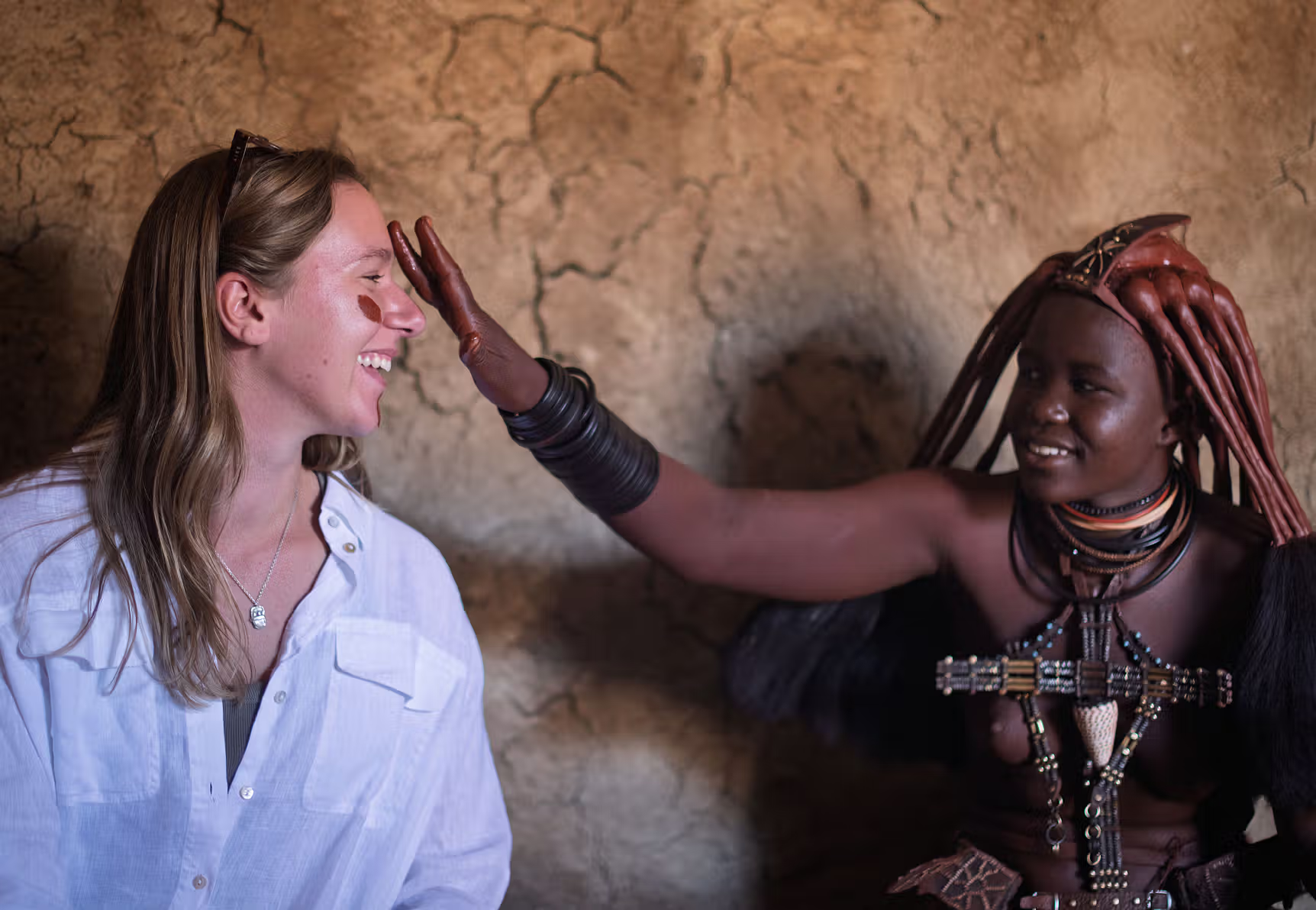
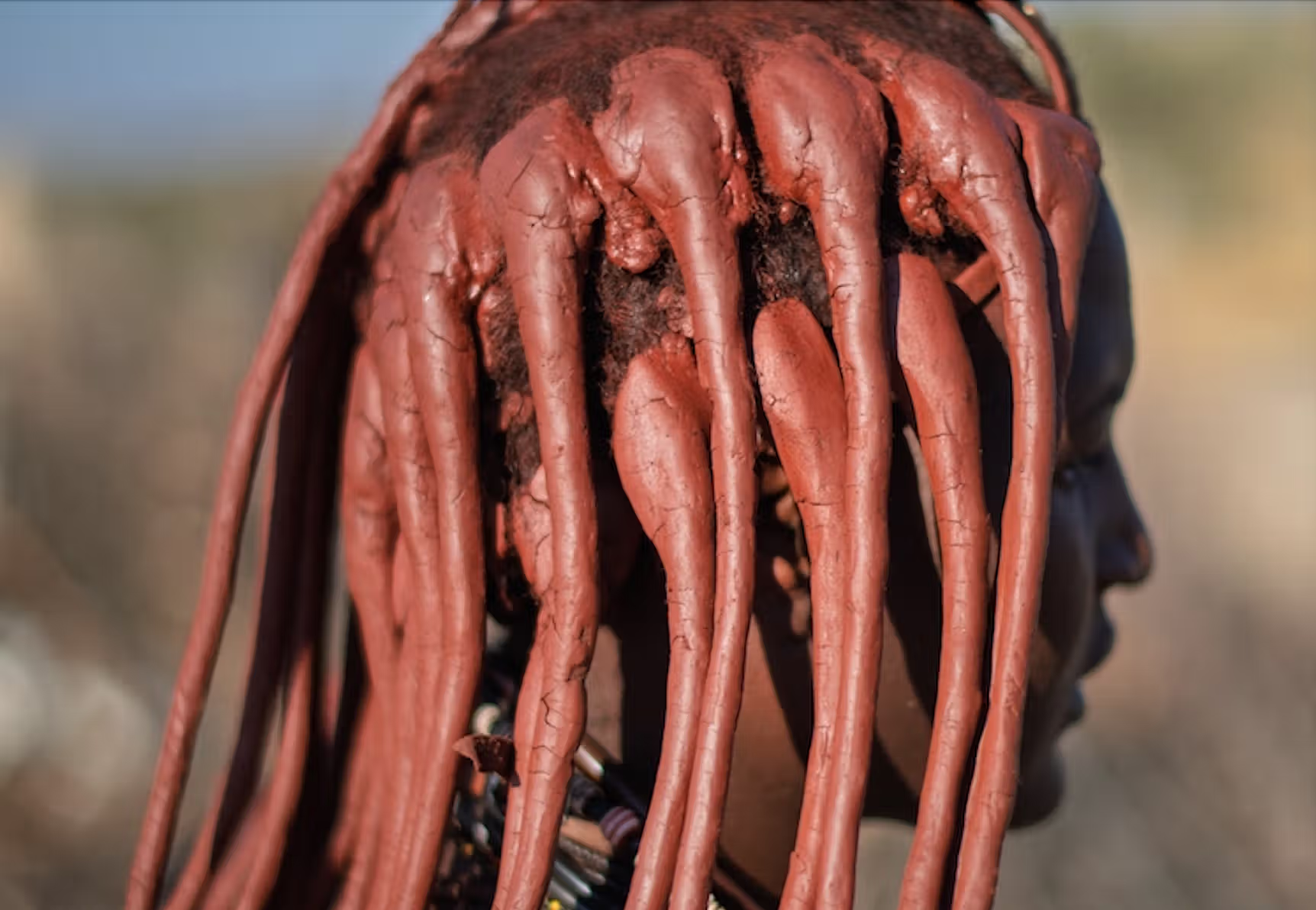
They dress accordingly, with their bare torsos tinted red thanks to the application of ochre powder and animal fat. Red is seen as the most beautiful colour by the Himba, and smoothing this substance on their skin also protects them from the sun.
While to many outsiders, the Himba lifestyle may seem difficult and antiquated, most villagers choose to remain in Kaokoland, shunning the opportunity to taste the western lifestyle.
It’s possible to visit a Himba settlement at any time of the year. But as they are nomadic, much depends on if there’s a village near enough to where you’re staying to make a trip to meet them feasible.
This is your chance to get a glimpse of people living a lifestyle that’s a world away from how most of us live. Looking after livestock and carrying out domestic chores dominates the everyday routines of the Himba. And their world isn’t ruled by notes, coins and credit as we’re used to in westernised countries. Instead, their currency is often cattle.
Seeing how the Himba live will also give you the opportunity to experience ancient customs and practices in an off-grid area of Namibia that’s sparsely populated. For the record, on average there’s one person per 2km2 in this part of the world.
Otjihimba is the language spoken by the Himba, which is a Herero dialect. Unlike the rest of Namibia where the national language is English, you’d do well to find any Himba who speak English as it’s not taught in many schools.
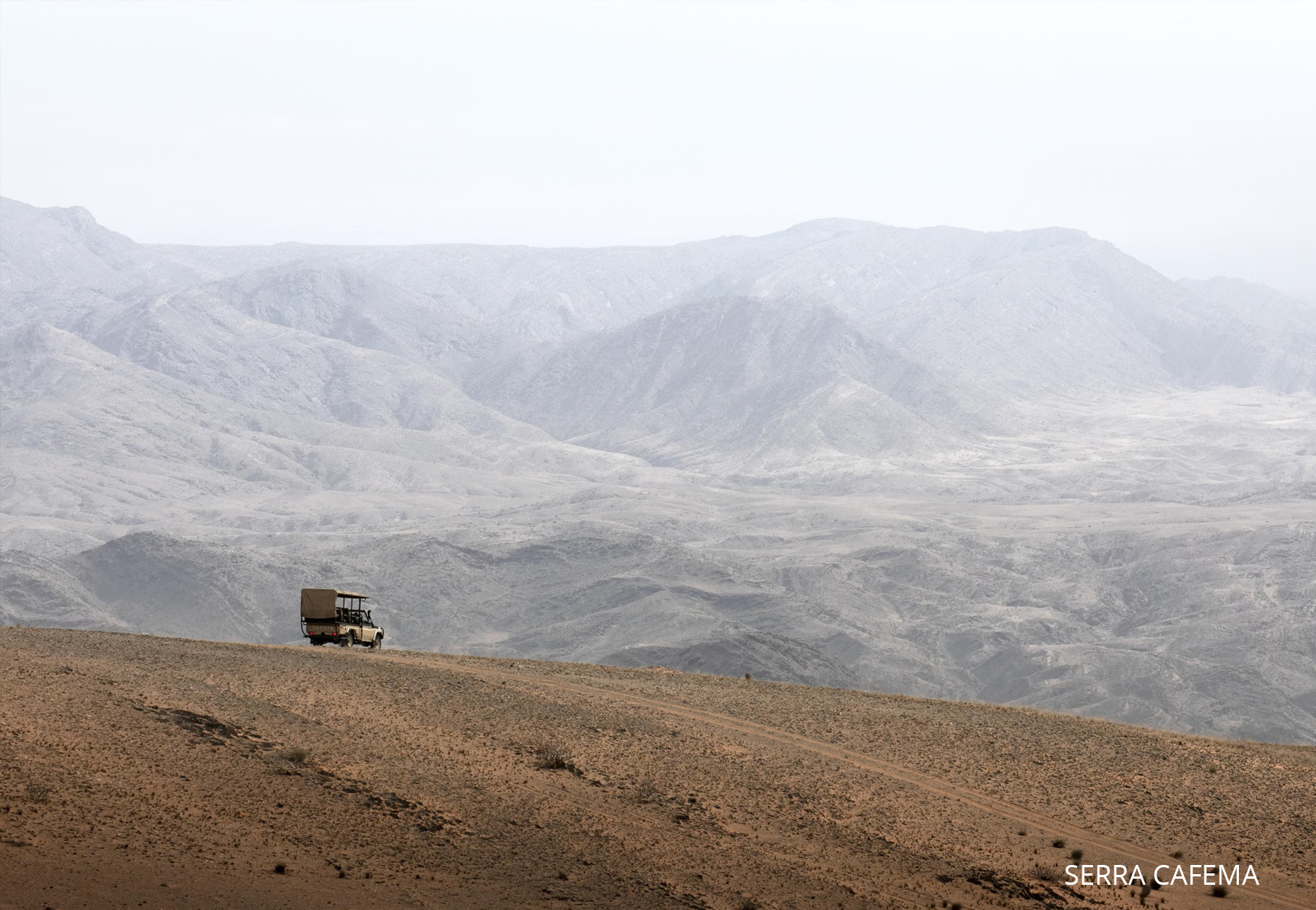
The Himba live in the north of Namibia in areas that aren’t easy to access because of challenging terrain and a lack of modern amenities, facilities, and infrastructure. That’s why it’s always best to base yourself at one of the lodges or camps in the area and join a pre-arranged tour to a Himba village arranged by the team at your chosen destination.
Your tour will likely last two hours and be led by a local guide. Their ability to communicate in multiple languages, including Otjihimba, will enable you to interact with various members of the community. Visits usually end with an opportunity to buy arts, crafts and other items created by the Himba, something that helps support them and their way of life.
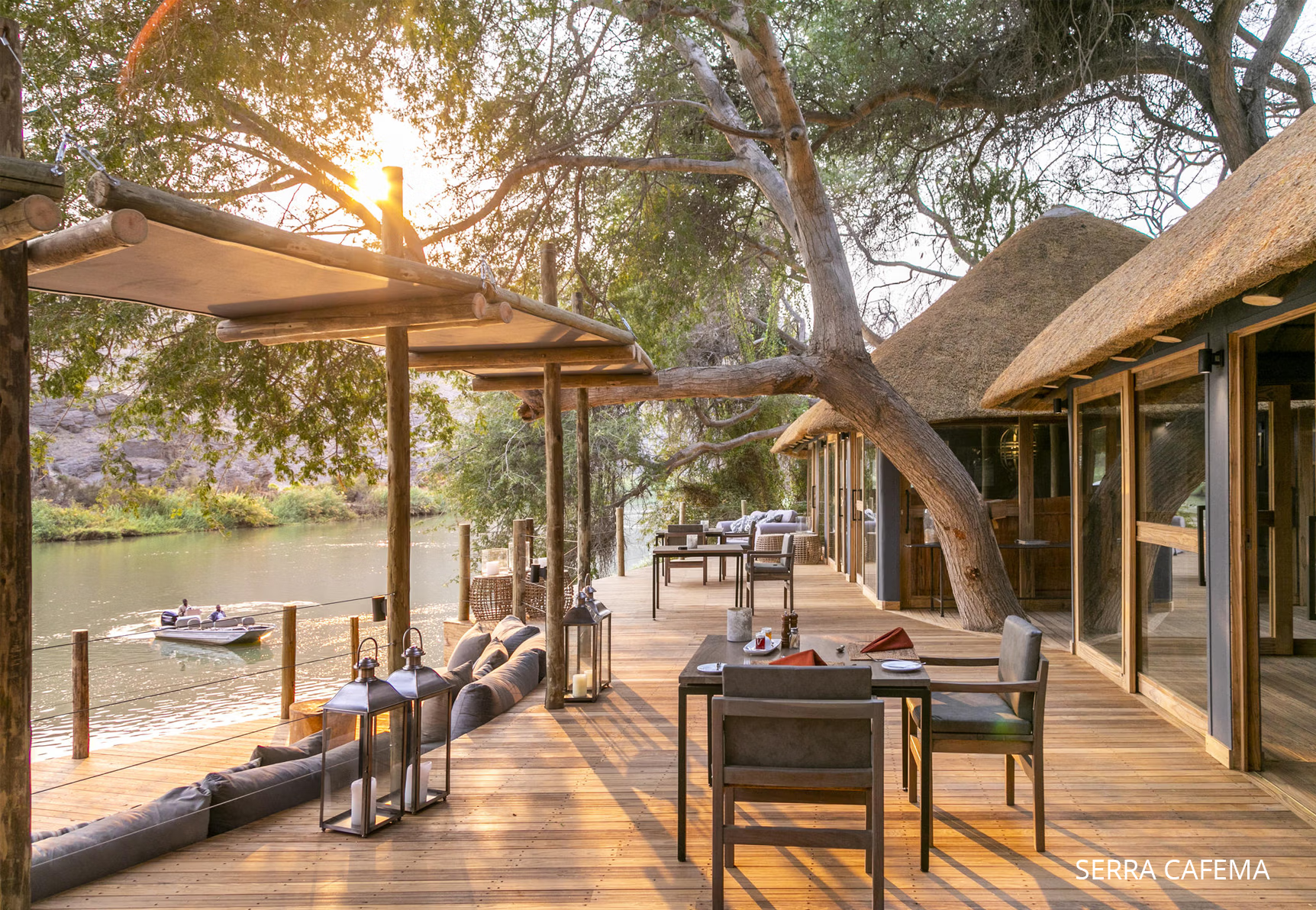
All of the following camps, hotels and lodges are close enough to where the Himba typically choose to live to allow tours to meet them and experience their way of life:

Here at Namibia Tours and Safaris, we help visitors from all over the world experience the Himba way of life at close quarters.
If you’re looking for a pre-arranged tour that takes in Kaokoland and gives you a chance to discover more about the fascinating Himba tribe, we have two to choose from:
Alternatively, we can plan and deliver a bespoke itinerary just for you that includes a chance to visit a Himba village and meet its people. Contact our friendly team today to discuss your needs.
"A dream come true"
We had the most amazing family holiday, everything worked so perfectly, the arrangements and accommodation was spectacular!
"Unforgettable trip to Namibia – Thank you Namibia Tours & Safaris!"
We are a group of four from Romania and spent 3 unforgettable weeks in Namibia. We can't recommend them enough, and for any future travels in Namibia or other parts of Africa, we will definitely use their services again.
"We had a great experience"
From the time we put the key in the ignition till we boarded the plane in Windhoek nothing went wrong.
"Unforgettable bird photography trip in Namibia"
It was a fantastic experience, everything was very well organised, went smooth and according to expectations. It was our first self drive in Africa and it was a great, unforgettable time.