From epic scenery to a huge variety of wildlife, Botswana gives you plenty to see during a self-drive safari. But to get the full experience, you’ll need to be flexible.


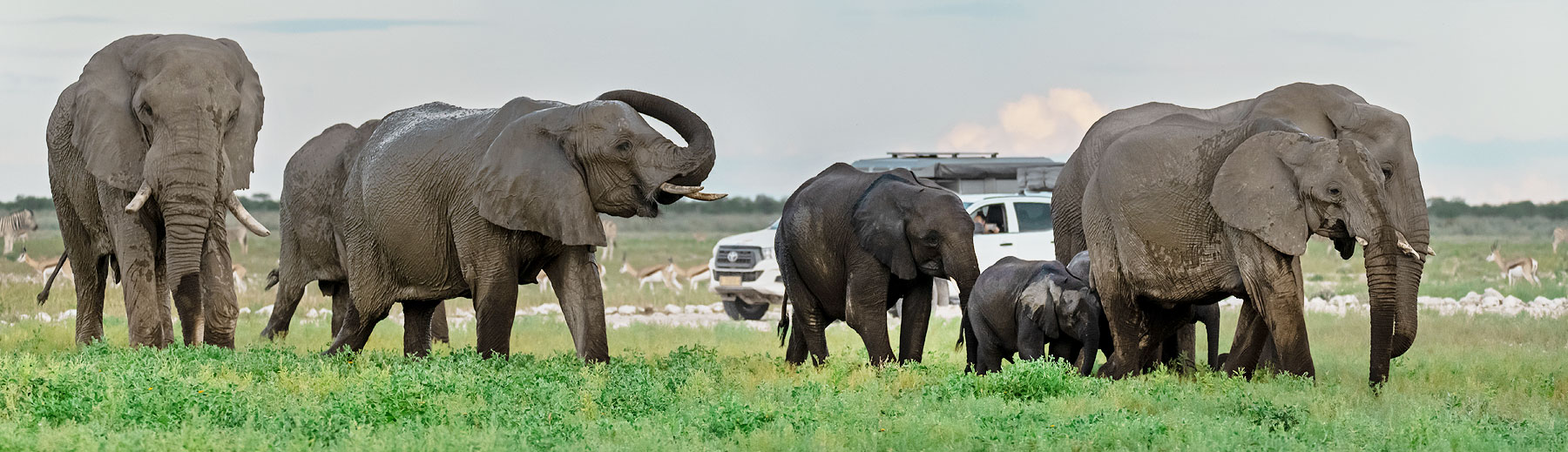
From epic scenery to a huge variety of wildlife, Botswana gives you plenty to see during a self-drive safari. But to get the full experience, you’ll need to be flexible.
That’s because on a fully independent Botswana self-drive safari, you’ll need to stick to the classic road routes. Made from either paving or gravel, routes on these surfaces will give you a taste of some, but not all of the delights Botswana has to offer.
You’ll be able to visit areas such as Chobe National Park (for boat safaris on the Chobe River), Central Kalahari, the outer regions of the Okavango Delta and Makgadikgadi Salt Pans.
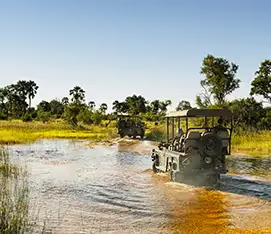
But (and you knew there was a ‘but’ coming) while some parts of the Okavango Delta are accessible by road, access is limited. Reaching these areas often involves slow, technical 4x4 driving through thick sand, long driving days and highly variable conditions. A handful of Delta properties do have road access, but the wetlands naturally make travel more restrictive.
Savuti, Linyanti and the Okavango Delta are among the best areas for wildlife in the country. But their wetland terrain, distances and seasonal conditions mean they are better suited to fly-in safaris or guided transfers. That’s why most people book an itinerary that combines self-drive elements with fly-ins and guided transfers - not only for practicality, but because the low-level scenic flying offers an unforgettable perspective on the Delta’s waterways and landscapes.
It also makes sense to include a visit to Victoria Falls (which spans the border between Zambia and Zimbabwe in northeastern Botswana) as part of a broader Botswana itinerary, whether self-drive, fly-in, or a combination of the two.
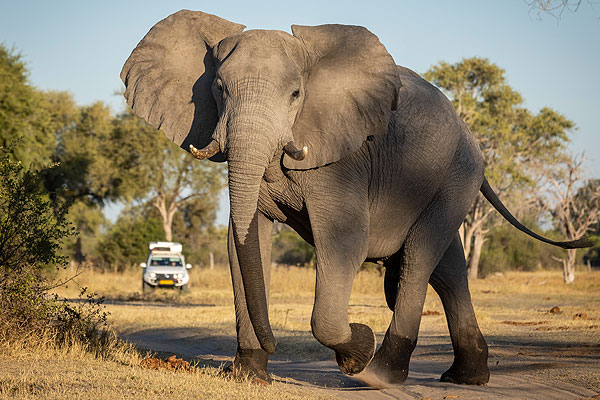
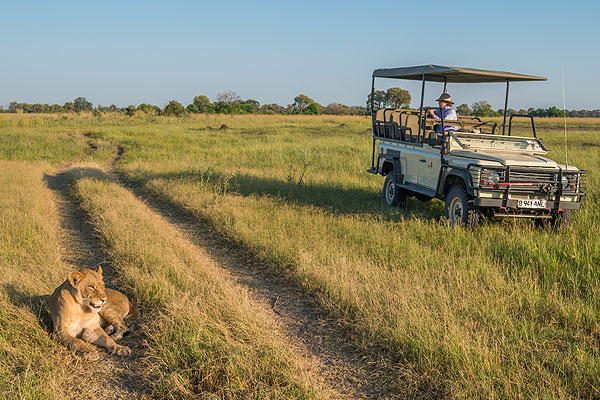
Not sure this is the right fit? You may also want to explore a Namibia self-drive safari or a Botswana fly-in safari.
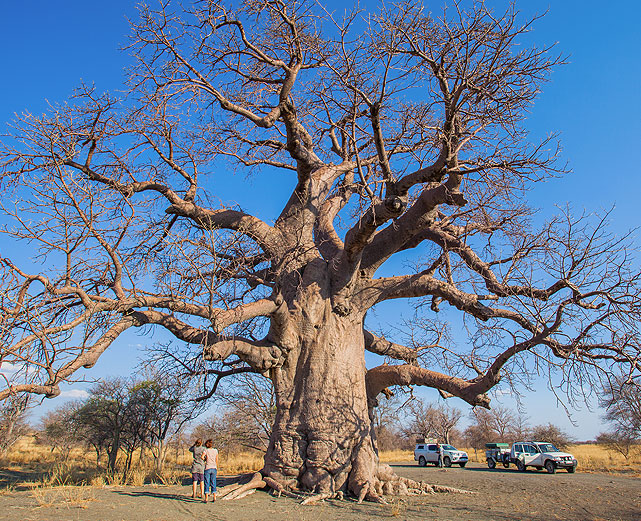
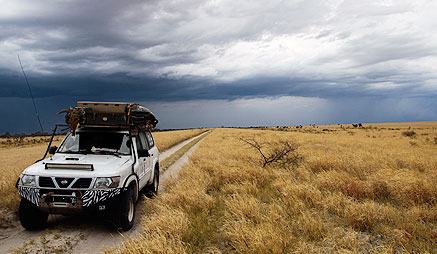
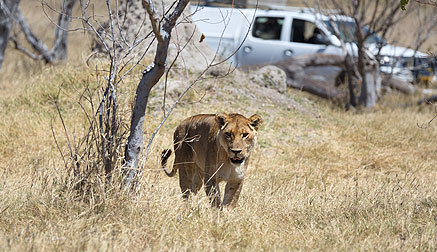
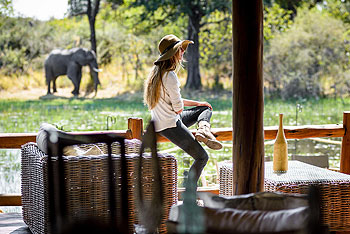
Our Botswana self-drive safaris take a realistic approach to the vast distances and various road conditions you’ll encounter, as well as the time you’ll need to rest in between driving.
Your budget will play a big role in terms of the type of self-drive safari we’ll design for you, and we can accommodate most budgets thanks to Botswana offering chances to camp in the wilds or enjoy more luxurious lodges.
We’ll always strive to offer you a balance between manageable daily driving distances and opportunities to stop and take in your surroundings. There’s nothing worse than not having enough time to appreciate where you are in detail. You want to enjoy your experience rather than seeing it all rush by via a windscreen.
All our Botswana self-drive safaris are designed with a 4x4 vehicle in mind, which we recommend for the terrain you’ll encounter. You can hire a vehicle from us as we have our own fleet.
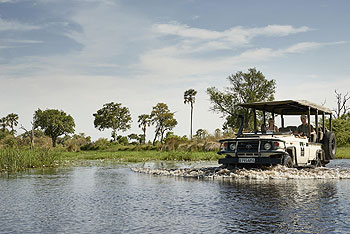
Because some of the best areas for self-drive safari experiences are wetlands, Botswana is best visited during the dry winter months of July, August, September and October. It’s the time of year that coincides with the best game viewing.
For a closer look at how seasons, water levels and wildlife movements affect travel, see our guide on the best time to visit Botswana.
We always recommend giving yourself as much time as you can afford for your self-drive tour of Botswana.
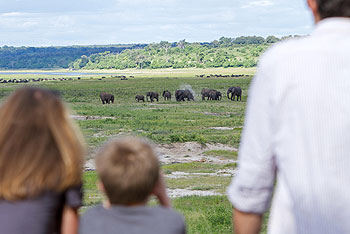
Short self-drive tours work best if you limit yourself to a specific region and short driving routes. While we can tailor a week-long Botswana self-drive, we would usually recommend allowing more time or combining it with a fly-in component to make the most of a limited timeframe. Get in touch to talk through the best option for your trip.
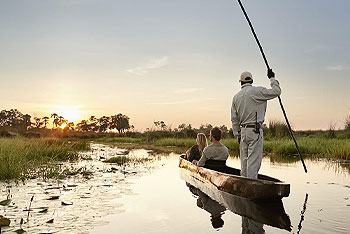
Two weeks will give you enough time to do Botswana justice. You can combine a good balance of time spent on the road with time spent enjoying the views and relaxing in camps or lodges, without feeling in a constant hurry.
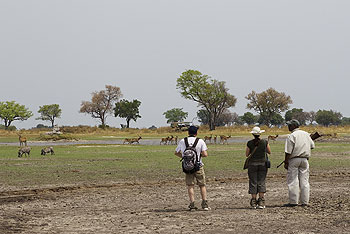
Our most popular Botswana self-drive tours last for at least 16 days. These will give you the capacity to really explore areas of the country that might otherwise be beyond your reach on a shorter tour. You’ll find the whole experience as relaxing as it is rewarding, and you’ll increase your chances of seeing a greater variety of wildlife on the ground, in the water, and up in the air. While we can tailor-make any trip, our Namibia & Botswana Roundabout Safari is a popular starting point.
Namibia only or add Botswana and Victoria Falls?
What guarantee do I have that on arrival, everything is sorted and arranged as per the planned itinerary?
Why is availability often limited in Botswana?
Do lodges have WiFi or phone signal?
How easy is it to stock up on supplies?
Do I need a satellite phone?
Which side of the road do you drive on?
What happens if I have a flat tyre or my vehicle breaks down?
What type of car is best for Namibia, Botswana and neighbouring countries?
What if I can't drive a manual (stick shift) vehicle?
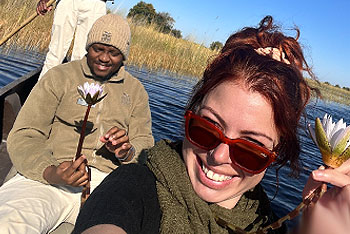
If your heart’s set on a self-drive safari in Botswana, our team is here to help. We’ve been designing dream safaris for customers for over 35 years and are ready to help you.
From planning your route, setting your itinerary and offering insights, information and advice, we can assist you in as many or as few ways as you need us to.
And the support continues throughout your safari, with our team just a phone call away should you need guidance, reassurance or help navigating the unexpected.
Contact our team now to get the wheels in motion on your self-drive safari.
"A dream come true"
We had the most amazing family holiday, everything worked so perfectly, the arrangements and accommodation was spectacular!
"Unforgettable trip to Namibia – Thank you Namibia Tours & Safaris!"
We are a group of four from Romania and spent 3 unforgettable weeks in Namibia. We can't recommend them enough, and for any future travels in Namibia or other parts of Africa, we will definitely use their services again.
"We had a great experience"
From the time we put the key in the ignition till we boarded the plane in Windhoek nothing went wrong.
"Unforgettable bird photography trip in Namibia"
It was a fantastic experience, everything was very well organised, went smooth and according to expectations. It was our first self drive in Africa and it was a great, unforgettable time.