How to Get the Most out of Your South Africa Self-Drive Safari
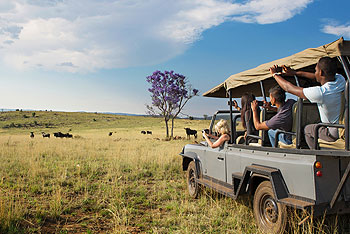
Invest in a good pair of binoculars. These will ensure you get as close a view of the wildlife as possible.
Be prepared. Make sure you have enough food and water in your vehicle to last you for at least a day on the road. There’s nothing worse than having to waste time looking for food shops when you want to be looking for lions. Also, be sure to have insect repellent, a map, torch and warm clothing in your vehicle.
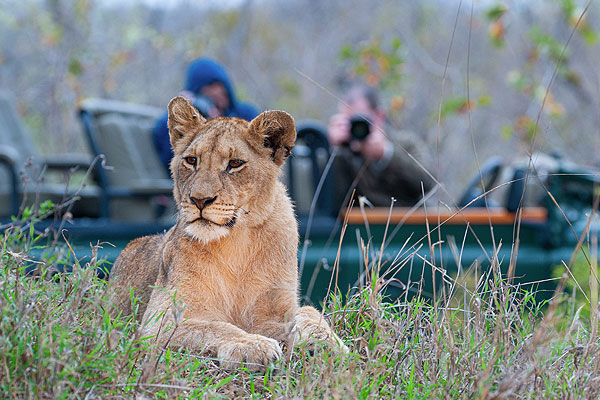
Learn to recognise animal behaviours that can lead to other sightings. Tip 1: If a herbivore is focusing on a certain area, chances are there’s a predator nearby. Tip 2: While lions are eating their prey, there’s likely to be a hyena in the vicinity, waiting for the leftovers. Knowing tips like these can help you increase the different types of animals you get to see.
Get up early. Most of the predators you’re likely to want to see are at their most active at dawn, making this the time of day you’re most likely to spot them. And starting your day earlier than other people means you’ll get to explore the wilds with fewer other vehicles on the roads. To make up for lost sleep, you can always grab a siesta after lunch, which is the same time most of the animals doze in the sun anyway.
Be patient. Spotting wildlife is a waiting game. Finding a quiet spot near a watering hole will almost always pay dividends if you give it time. Every animal has to drink at some point.
Drive slow. Not only will this keep you safer, it’ll also ensure you don’t scare off the wildlife, and give you more time to enjoy the views.
Get plenty of rest. Driving slowly can be surprisingly tiring, so you should take a break every couple of hours or so and get out of your vehicle to stretch your legs (assuming it is safe to do so).
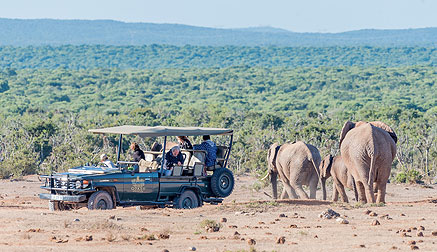
Keep a low profile. Switch off your engine and lights while waiting. This will give you a better chance of seeing and not frightening off wildlife.
Learn from fellow travellers. Be sure to ask other self-drive adventurers you meet about their experiences. They could hold the key to the location of the wildlife you really want to see.