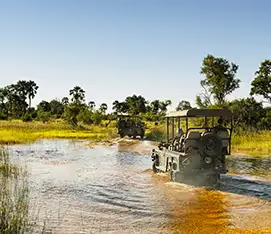
Namibia is made for road trips. A self-drive safari in Namibia offers extraordinary freedom, space and solitude - but it only works well when distances, road conditions and pacing are planned realistically.


Namibia is made for road trips. A self-drive safari in Namibia offers extraordinary freedom, space and solitude - but it only works well when distances, road conditions and pacing are planned realistically.
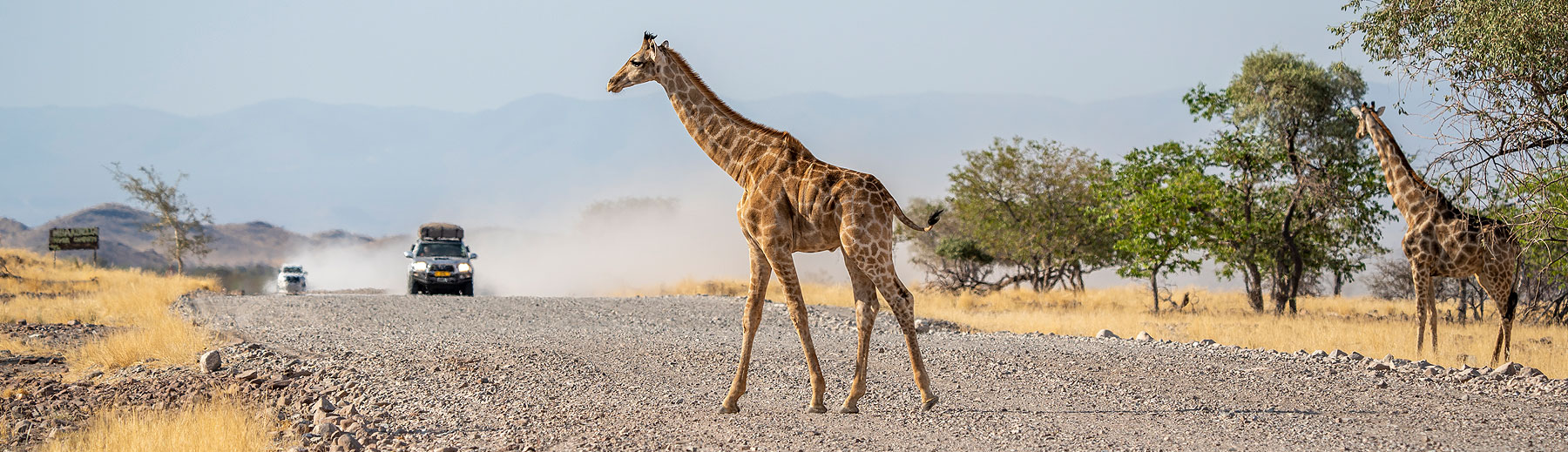
Namibia is one of Africa’s most rewarding self-drive destinations, and also one of the easiest to underestimate. Long distances, gravel roads and remote regions mean that thoughtful planning is key to enjoying the journey rather than enduring it. You don’t need prior Africa self-drive experience - just a willingness to travel at a relaxed pace.
We design self-drive safaris in Namibia every week. The difference between a trip that feels effortless and one that feels exhausting is almost always in the routing, pacing and local knowledge behind it.
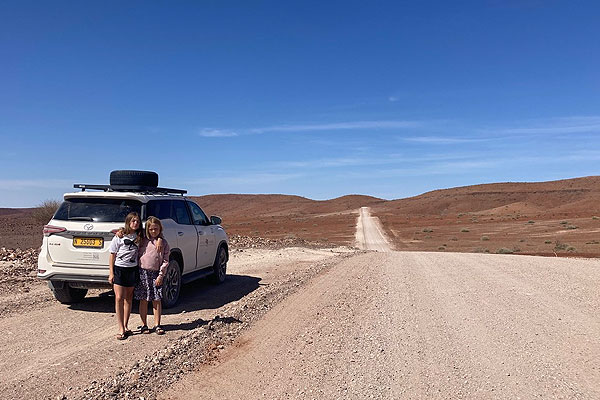
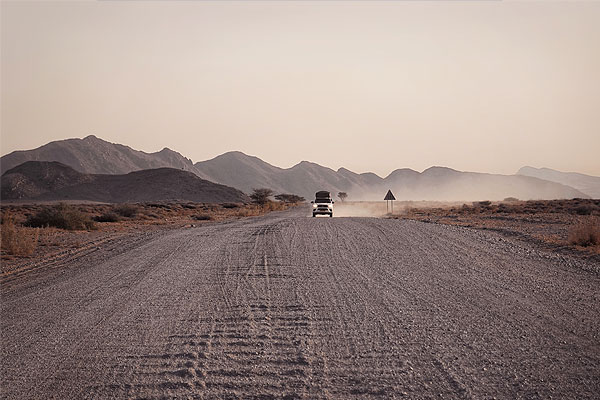
Namibia rewards patience and curiosity. If you prefer being driven with an experienced guide bringing Namibia’s landscapes, wildlife and culture to life, a guided safari may be a better choice.
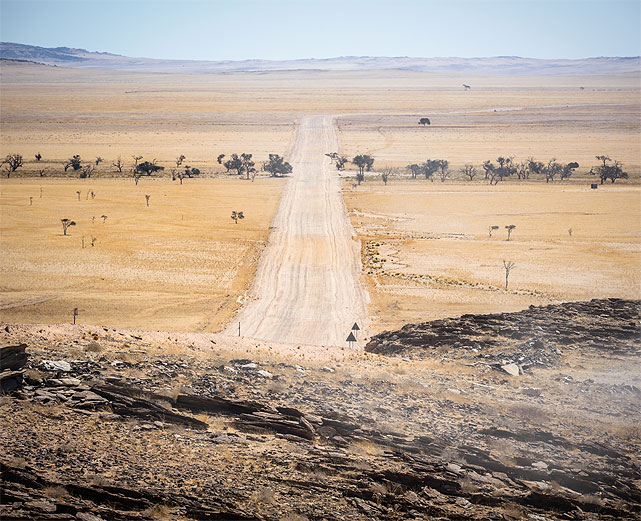
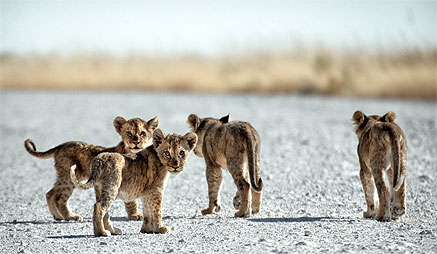
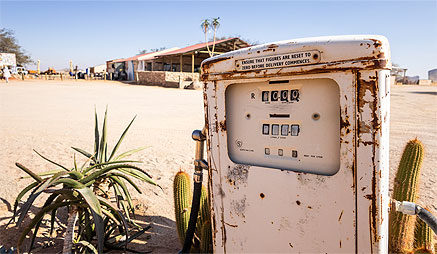
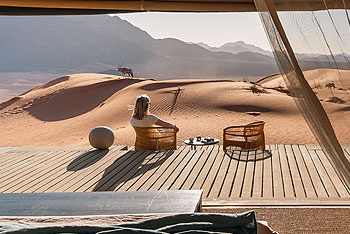
Every self-drive safari we design is shaped by realities including distance & road conditions, recovery time and budget. Self-drive safaris can be tailored across a wide range of budgets - from comfortable camping to mid-range lodges and beyond.
We plan daily distances conservatively, balance longer drives with meaningful stays, and ensure there is space in the itinerary to enjoy each region rather than rush through it.
Because we manage and prepare our own vehicle fleet, we design routes with the driving experience in mind as well as the map - which is why we favour 4x4 vehicles for their comfort and stability on long gravel stretches.
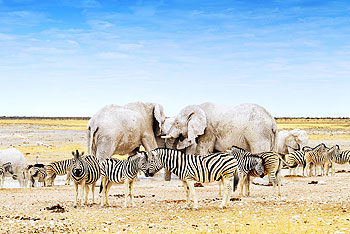
Namibia is a year-round destination, but the experience - and the type of trip that works best - changes noticeably with the seasons. The dry months generally offer excellent wildlife viewing and cooler evenings, while the green season brings dramatic skies, lush landscapes and far fewer visitors on the road.
Seasonality also influences the kind of self-drive safari we would recommend. For example, we would usually avoid suggesting a camping-focused itinerary during the rainy months, when conditions can be uncomfortable and routes less predictable. Likewise, certain popular lodges and resorts are best avoided during school holidays, when they can feel busy and availability becomes more limited.
Summer heat, rainfall patterns and holiday travel all affect driving comfort, routing and the overall rhythm of a journey. For this reason, we do not believe there is a single “best” time to self-drive Namibia - only the best time for you, based on how you like to travel and the experience you are hoping for. For a more detailed breakdown, see our guide on the best time to visit Namibia.
The amount of time you allow has a direct impact on how relaxed and rewarding your self-drive safari feels. While shorter trips are possible, giving Namibia enough time makes all the difference.
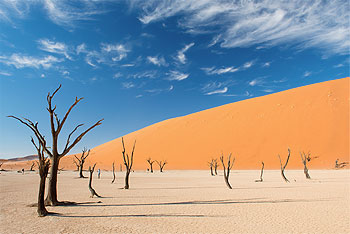
A week in Namibia works best when you focus on a single region or a very limited route. Driving days need to be planned conservatively, and expectations kept realistic. This option suits travellers with fixed time constraints who are happy to explore one area well rather than trying to see it all.
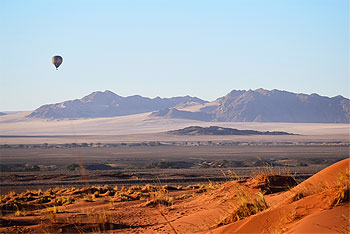
For most travellers, we recommend allowing at least two weeks to experience Namibia’s highlights properly. This timeframe allows for a classic route done well, with balanced driving days, meaningful stays and time to enjoy both the journey and the destinations without rushing.
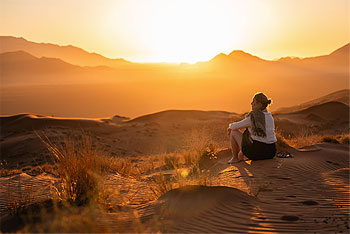
Longer journeys allow Namibia to be experienced at its best. With three weeks or more, you can slow the pace further, include more remote regions and build flexibility into the itinerary. This is ideal for travellers who value space, quiet and the freedom to linger.
Wann ist die beste Jahreszeit für eine Safari auf eigene Faust?
Die beste Zeit für Tierbeobachtungen im Etosha-Nationalpark ist während der Trockenzeit, typischerweise von Juni bis Oktober, wenn sich die Tiere an den Wasserlöchern versammeln und die Sichtverhältnisse hervorragend sind.
Die grüne Saison (November bis April) bietet zwar weniger Tiere, dafür aber eine wunderschöne Landschaft, weniger Besucher und eine beeindruckende Vogelwelt. Die Straßen können nach Regenfällen aufgeweicht sein, doch mit dem richtigen Fahrzeug und etwas Planung ist das Reisen problemlos möglich.
Is it much cheaper to visit Namibia if you self-drive instead of joining a guided tour?
In many cases, yes - self-drive safaris in Namibia can be significantly more affordable than fully guided tours, especially for couples or families travelling together.
The trade-off is that you take on more responsibility: driving, navigation and timing are all up to you. Guided safaris cost more because they include a professional guide and logistics throughout the trip.
Self-drive offers excellent value if you’re comfortable behind the wheel and happy to travel independently. If you’d prefer to sit back and have everything handled, a guided safari may still be worth the extra cost.
The vehicle rental states no off-road driving. What exactly does this mean?
Well quite simply, it means exactly that. Namibia has a wide road network and it is not permitted to drive off road and create new tracks. Being mostly a desert, tracks left behind can stay there for many years, in some cases, decades. Driving off road also means possible vehicle damage, especially under carriage which is not covered in any insurance claim. In other words, stick to the designated roads and don’t wonder off into the wilderness. Dune driving is definitely not allowed either. Trust us, Namibia is enough of a “off the beaten track” destination as it is, so you won’t need to venture off in any case.
What if I can't drive a manual (stick shift) vehicle?
No problem. We can book an automatic vehicle for you. If you can’t drive a manual vehicle, then we always recommend making sure with your consultant that the correct vehicle has been booked for you.
Sossusvlei/ Dead Pan/ Big Daddy Dune –can we drive ourselves?
Let’s start by explaining that to reach these highlights, once entering the Sesriem Gate, you will have to drive roughly 60km on tarred roads inside the park. It’s only the last 4-5 kilometres into the dunes that requires driving in really heavy sand for which you will need a 4x4. If you are confident in driving in deep sand, by 4-wheel-drive, then by all means go ahead, if not, you can leave your car safely in the parking area and take the shuttle in and back again. Walking is an option too if you're up for it. It's quite a stroll. Alternatively, why not make the most of your experience and join a guided Sossusvlei excursion with the lodge. Not only will you not have to worry about getting stuck in any sand, but you’ll also receive first-hand knowledge from the guide, peace of mind on where to go and you’ll be shown the best places you don’t want to miss.
What happens if I have a flat tyre or my vehicle breaks down?
If it’s a flat tyre, you’ll need to change it. The car hire company will make sure you know how to do this when you collect the vehicle, including where to find the spare wheel and the tools you’ll need.
If it’s a mechanical issue and the vehicle breaks down, you’ll contact the car hire company directly — or contact us and we’ll do this on your behalf.
Travel in Namibia, Botswana and parts of South Africa often means long distances and remote areas, where you may go some time without seeing another vehicle on the road (very much part of the experience). In these cases, we’ll assess the situation and, where possible, arrange assistance from the nearest lodge or service point, or organise recovery or a replacement vehicle.
All situations are handled on a case-by-case basis, but our priority is always to get you safe, supported and back on the road as soon as possible.
Should I book activities with the lodges or do activities myself if I'm doing a self-drive tour?
Doing activities on your own gives you flexibility and a real sense of adventure. You simply pay the park entry fees and explore at your own pace.
Activities with a lodge guide are usually shared with other guests (unless booked privately) and run at set times, but the advantage is local knowledge. Your guide knows where to be and when, shares insights along the way, and helps ensure you don’t miss key moments.
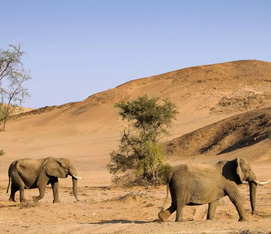
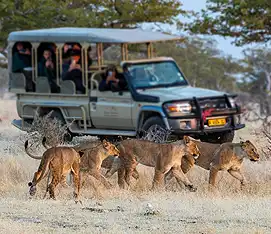
In Etosha, we often recommend starting with a guided game drive in an open safari vehicle, then exploring on your own afterward. In Damaraland, a guided nature drive is usually the best option, as lodge guides know where to look for desert-adapted elephants and your chances of seeing them are much higher.
If you’re unsure whether to do an activity independently or with a guide, your consultant can advise on what works best for your route and travel style.
How do I calculate the driving times between destinations?
Driving times in Namibia often take longer than they look on a map due to road types and regular stops. A good rule of thumb is to divide the distance by 80 km/h on tar and 60 km/h on gravel to get a realistic estimate.
For example, the 350 km drive from Sossusvlei to Swakopmund usually takes around 5–6 hours, and most travel days work out to about half a day on the road. While that may sound like a lot, the scenery is spectacular, and the journey itself is a big part of the experience.
How easy is it to stock up on supplies?
Most towns in Namibia and Botswana have well-stocked supermarkets where you can buy food, snacks and drinks. In smaller or more remote towns, supplies may be limited, so it’s advisable to plan ahead. Larger centres offer a wider range of grocery stores, clothing shops, banks and curio shops, providing more choice and convenience.
Throughout both countries you’ll also find local craft markets, and many lodges have small curio shops. If you’re travelling on a camping or self-catering safari, it’s important to plan where and when to stock up on groceries and supplies according to your route. Certain areas have restrictions on transporting food and fresh produce across veterinary cordon fences, which should be taken into account when planning.
We’ll be happy to assist with this during your meet-and-greet on arrival, or you can speak to your consultant at any stage if you have questions.
How difficult is the driving, and do Namibian roads really destroy tyres?
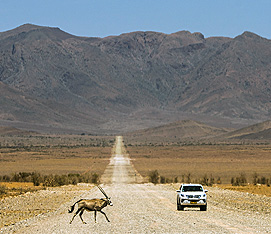
Driving in Namibia isn’t difficult, but it is different from driving at home. Most long-distance routes are on gravel roads, which are generally well maintained but need slower speeds and a bit more concentration.
Tyre damage can happen, usually when people drive too fast on gravel or don’t adjust tyre pressure. With the right vehicle and sensible driving, punctures are not common.
When you collect your rental vehicle, you’ll be shown how to change a tyre and given all the emergency contact numbers you might need, so you’re well prepared from the start.
Namibia doesn’t “eat tyres” - rushing and overconfidence do. Take it slow and the driving quickly becomes part of the adventure

Thinking about a self-drive safari in Namibia? We’ve been planning safaris for 35 years and would love to help you plan your perfect safari. From route planning and vehicle handover to practical advice before you set off, we’ll make sure you start with confidence.
And once you’re on the road, you’re never entirely on your own - experienced support is always quietly in the background. If plans need adjusting on the road - whether due to weather, road conditions or simple fatigue - we’re there to help rework things calmly. Get in touch to start a conversation about your trip.


"A dream come true"
We had the most amazing family holiday, everything worked so perfectly, the arrangements and accommodation was spectacular!
"Unforgettable trip to Namibia – Thank you Namibia Tours & Safaris!"
We are a group of four from Romania and spent 3 unforgettable weeks in Namibia. We can't recommend them enough, and for any future travels in Namibia or other parts of Africa, we will definitely use their services again.
"We had a great experience"
From the time we put the key in the ignition till we boarded the plane in Windhoek nothing went wrong.
"Unforgettable bird photography trip in Namibia"
It was a fantastic experience, everything was very well organised, went smooth and according to expectations. It was our first self drive in Africa and it was a great, unforgettable time.